Start with the Basics: What Wellness Really Means at Home
Wellness in a family setting goes far beyond eating vegetables and fitting in a workout. True family wellness is multi dimensional and includes emotional, physical, and mental well being for every member of the household.
Wellness Is More Than Food and Fitness
Healthy meals and exercise matter, but long term wellness also includes:
Strong emotional bonds and open communication
Consistent routines that give children (and parents) structure and security
Mental and emotional support systems that create resilience
By broadening the definition of family wellness, it becomes a lifestyle rather than a checklist.
Emotional Safety Comes First
Families thrive when everyone feels safe being themselves. Prioritize:
Active listening between parents and kids
Setting boundaries with care and clarity
Creating a home environment where emotions are acknowledged, not dismissed
These habits build trust and trust leads to well being.
Routines That Reinforce Security
Daily structure plays a major role in creating an environment where wellness can flourish. Try incorporating:
Morning rituals that start the day with purpose
Wind down routines that support rest and relaxation
Built in times for connection, like shared dinners or bedtime chats
Even small, consistent actions help children feel anchored.
A Mindset That Grows With Your Family
Wellness is not about perfection it’s about progress. Encourage every family member to:
Set individual and shared wellness goals
Reflect regularly on what’s working (and what’s not)
Adjust habits as children grow and family needs evolve
Teach kids that self care isn’t selfish it’s foundational.
Explore key family wellness facts
By defining wellness in this broader, more supportive way, you help your entire household thrive in body, mind, and spirit.
Daily Habits That Build Lasting Wellness
Simple routines carry surprising power. A five minute morning ritual stretching, stepping outside, sipping warm water can set the tone for the whole day. In the evening, shutting things down with calm lighting, quiet music, or a short moment of gratitude helps kids and adults downshift. You don’t need Pinterest perfect setups. What matters is rhythm over perfection.
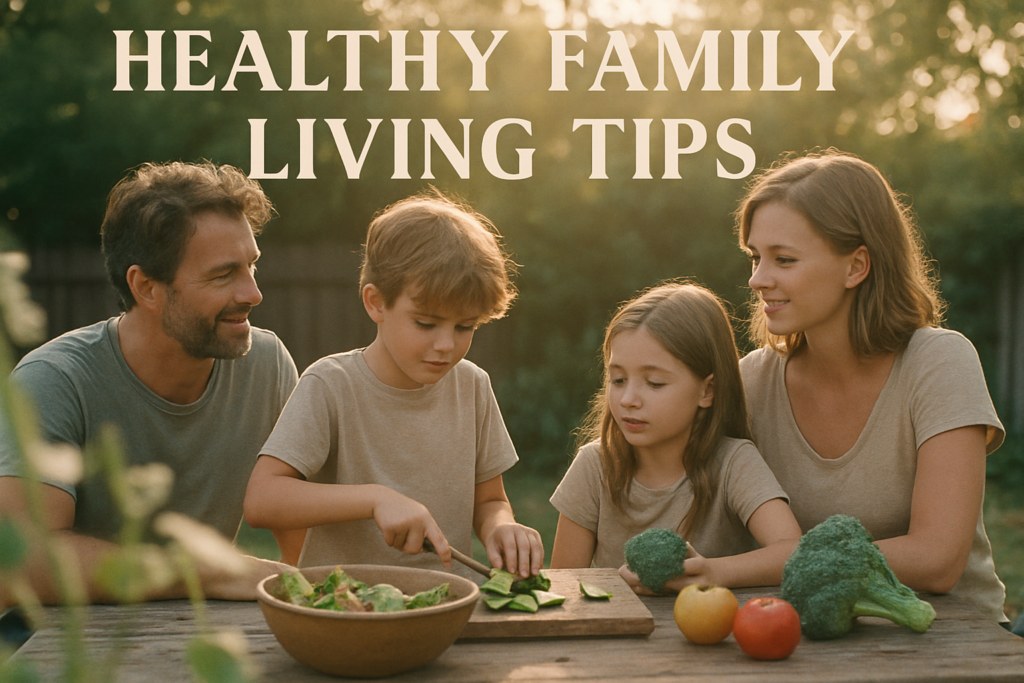
Another overlooked habit? Eating together. Shared meals offer more than nutrition. They’re a built in check in a time to talk, laugh, and listen without screens getting in the way. Even just three meals together a week makes a difference in emotional and relational health.
Sleep might be the most underrated pillar of family wellness. For adults and kids alike, consistency is key. That means going to bed and waking up around the same time every day, even on weekends. Cues like a wind down activity reading, dim lights, no devices an hour before bed help cue the brain that it’s time to rest, not scroll.
Want more grounded, real world wellness tips for families? Check out More family wellness facts you need to know.
Emotional Resilience: Growing It Together

Building emotional resilience is one of the most valuable tools a family can develop. It doesn’t mean avoiding stress it means facing it together, in healthy and supportive ways. Here’s how to help every family member, especially children, build inner strength and emotional awareness.
Spotting Stress in Kids
Children may not say “I’m stressed,” but they’ll show you in other ways. It’s important to recognize the early signs so you’re not reacting to behavior, but addressing the cause.
Common stress signals in children:
Changes in sleep or appetite
Withdrawal from activities or friends
Mood swings or increased irritability
Physical symptoms like stomachaches or headaches (with no clear cause)
How to help them process stress:
Create open space for conversations ask questions without judgment
Encourage emotional expression through drawing, storytelling, or play
Normalize emotions by naming your own in honest ways
Make Weekly Check Ins a Family Habit
You don’t have to wait for a meltdown to talk about feelings. Weekly family check ins promote mental well being by inviting reflection and connection.
Break it down:
Set a consistent time (like Sunday night)
Use prompts such as “What felt hard this week?” or “What made you feel proud?”
Include every family member even young kids can participate with picture cards or fun rating systems
These touchpoints can help catch minor issues before they become bigger problems.
Modeling Calm: The Hard but Crucial Part
Kids learn by watching, not just listening. When stress hits, your reaction becomes their roadmap. While perfection isn’t the goal, showing how to stay level or how to recover from tough moments is priceless.
Try this when tension rises:
Take a deep breath before responding
Narrate your feelings out loud (“I’m feeling frustrated, so I’m going to walk away for a minute”)
Apologize when needed it shows that managing emotions is a lifelong practice
By practicing resilience openly, you help your children build it quietly.
Emotional strength as a family isn’t built in a crisis it’s built in everyday interactions. Start small, stay consistent, and create a home where feelings can be felt, named, and safely processed.
Movement and Mindfulness Made Simple
You don’t need a gym or a perfect yoga setup to boost wellness at home. Forget the pressure to squeeze in official workouts what really counts are active minutes. That includes dancing in the kitchen, walking the dog, stretching after school, or choosing stairs over elevators. These moments may not feel like ‘exercise,’ but they add up fast and they’re doable for the whole family.
Mindfulness doesn’t have to be a formal sit down meditation, either. It’s in the five deep breaths before starting homework. It’s in folding laundry with music instead of a blaring screen. It’s even in being fully present during a bedtime story. When mindfulness tucks into everyday routines, stress softens without forcing another to do.
The sweet spot is when movement and awareness work together. A family walk becomes a time to talk without distractions. Cleaning the house turns into a mini dance party. Small shifts like these lift energy and mood across the household. The goal isn’t perfection it’s momentum in the right direction, where everyone feels a little more grounded, a little more alive.
Smart Nutrition You Can Actually Stick To
Meal planning sounds great until your Tuesday turns into a Thursday and there’s no time to cook. The trick isn’t rigid planning. It’s flexible prepping. Think batch cooking grains, chopping enough veggies for a few meals, and keeping a few go to staples on hand (frozen stir fry kits, pasta, canned beans). You don’t need a color coded spreadsheet. You need a system that holds up when life doesn’t go as planned.
As for nutrition, keep it low lift and real. Hydration doesn’t have to mean fancy electrolyte powders set out a water pitcher and make it easy. Fiber? Add a sliced apple or some carrot sticks to lunch. Fun? Let kids pick a “weird” fruit once a week or assign one night as family snack plate dinner (think hummus, crackers, cheese, fruit).
The real win is shifting food from a stress point to a connection point. Ditch the clean plate drama. Let meals be a time to talk, not to micromanage bites. The goal isn’t perfection it’s consistency, warmth, and showing up with good enough food and a good enough mood. You’re feeding bodies and relationships at the same time.
Future Proofing Your Family’s Wellness
Wellness isn’t just about now it’s about setting your family up to be physically and emotionally strong for years to come. That starts with helping kids understand that their bodies and brains belong to them. Give them the language early. They should know how to say no, how to describe how they’re feeling, and how to ask questions without shame. Autonomy around food, privacy, sleep, and feelings grows confidence and self respect.
There’s also no shame in calling in backup. Nutritionists, therapists, occupational specialists all of them can support your family without signaling failure. Sometimes kids need more than a chat at the table or a walk around the block. Recognizing when outside help is the healthy choice is a sign of strength, not surrender.
And then there’s the long game. Families thrive on ritual. Whether it’s Sunday hikes or journaling before bed, traditions built around wellness normalize it. Keep it low key. No one needs a perfect Pinterest worthy scene. What matters is that habits are consistent, no one feels punished for being human, and the focus stays on care, not control.