
Family reunions are a beautiful idea on paper. Everyone together, generations reconnecting, stories being shared, kids running around, and meals stretching into laughter-filled evenings. But in reality, pulling off a family gathering that truly works for everyone—from toddlers to grandparents—takes thoughtful planning. Different ages, personalities, schedules, and expectations can easily turn a well-intended reunion into a stressful experience if details are overlooked.
The good news? With the right approach, your family reunion can feel relaxed, inclusive, and memorable—in the best way. Here’s how to plan a gathering that balances fun, comfort, and connection for everyone involved.
Start With Clear Intentions, Not Just a Date
Before booking venues or sending invites, get clear on the purpose of the reunion. Is it about reconnecting after years apart? Celebrating a milestone birthday or anniversary? Introducing younger generations to extended family?
Understanding the “why” helps guide decisions about location, activities, and length. A weekend-long reunion at a rental home might be perfect for deep bonding, while a one-day gathering works better for busy families with young kids or older relatives.
Once the intention is clear, choosing a date becomes easier. Aim for a time that avoids major holidays or school exam periods, and always send a “save the date” well in advance.
Choose a Location That’s Accessible and Flexible
Location can make or break a family reunion. Ideally, choose a place that’s easy to reach and comfortable for all age groups. Parks, community halls, private event spaces, or large homes with outdoor areas work well because they allow people to spread out.
Think about:
- Accessibility for elderly family members
- Restrooms and seating availability
- Shade or indoor backup in case of weather changes
- Space for kids to play safely
If family members are traveling from different cities, selecting a central location helps reduce fatigue and travel stress.
Plan Activities—but Don’t Over-Schedule
Activities bring energy to a reunion, but too many can feel overwhelming. The key is to offer options, not obligations.
Some ideas that work across generations:
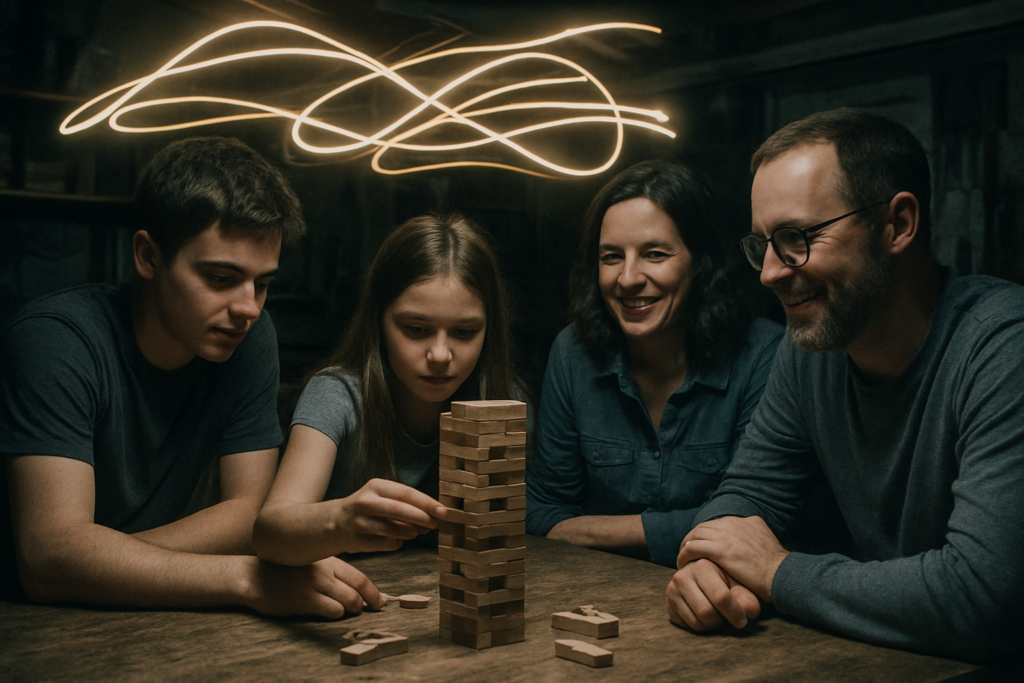
- Casual lawn games or board games
- Story-sharing circles or memory boards
- Group photo sessions
- Low-pressure competitions (quiz games, talent showcases)
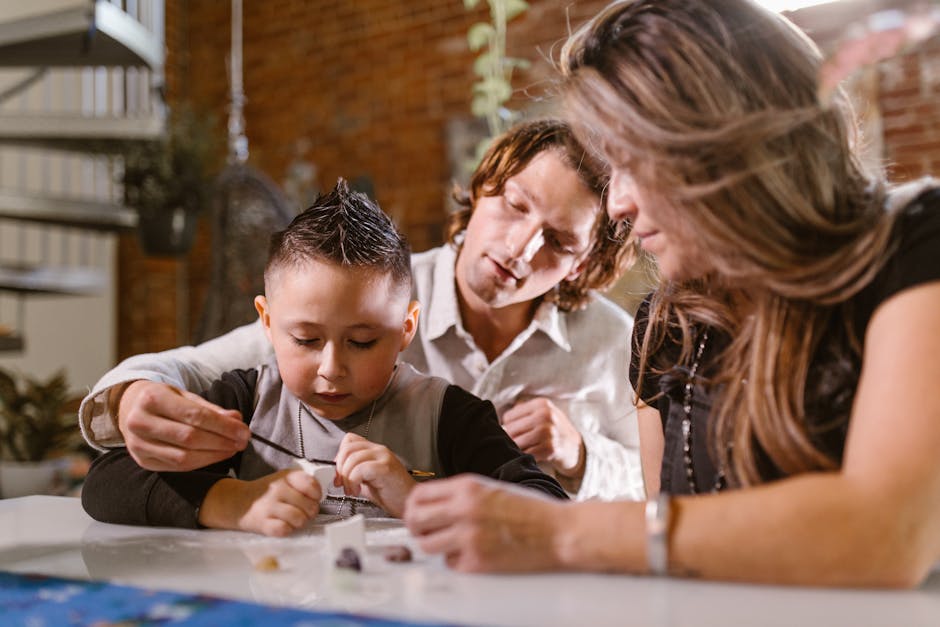
- Craft or activity tables for kids
Leave plenty of free time for conversations and spontaneous moments. Often, the most meaningful interactions happen when nothing is planned at all.
Food: Keep It Inclusive and Easy
Food is often the heart of a family gathering. Instead of a rigid meal schedule, aim for flexibility. Buffets, food stations, or potluck-style meals allow everyone to eat at their own pace.
Be mindful of dietary preferences and restrictions. Vegetarian options, kid-friendly foods, and lighter choices ensure no one feels left out.
For larger gatherings or reunions with adult guests, adding a professional touch can elevate the experience. Hiring services like Boston mobile bartenders can keep things smooth and enjoyable without putting pressure on family members to manage drinks or hosting duties. It allows everyone—including the hosts—to relax and be present.
Create Zones for Different Needs
One of the smartest ways to keep everyone happy is by creating different “zones” within the gathering space.
For example:
- A quiet seating area for elders
- A play zone for kids
- A conversation lounge for adults
- A food and refreshment area away from high-traffic zones
This approach prevents crowding and lets people move between spaces based on their comfort level and energy.
Communicate Expectations Early
Clear communication avoids misunderstandings. Let family members know what to expect—timings, dress code (if any), activities, and whether they need to bring anything.
A simple group message, email, or shared document works well. Encourage questions and input, especially from key family members who may have specific needs.
When people know what’s coming, they arrive more relaxed and ready to enjoy the experience.
Capture Memories Without Forcing It
Photos and videos help preserve memories, but constant cameras can make gatherings feel staged. Designate one or two people to capture moments casually, or set up a shared album where everyone can upload their favorite shots.
You might also include:
- A guestbook with notes or memories
- A family timeline wall
- A short video message corner
These small touches add emotional value without interrupting the flow of the reunion.
Be Flexible—and Let Go of Perfection
No matter how well you plan, things won’t go exactly as expected. Someone might arrive late, a child might have a meltdown, or weather might change plans. That’s okay.
The goal isn’t perfection—it’s connection. Stay flexible, laugh things off, and focus on the people, not the plan.
When the host stays calm and adaptable, everyone else follows that energy.
End on a Warm Note
As the gathering wraps up, take a moment to bring everyone together. A short thank-you speech, a group photo, or even a shared dessert can create a sense of closure and appreciation.
It reminds everyone why they came together in the first place—and leaves them looking forward to the next reunion.
Planning a family reunion that works for everyone is less about grand gestures and more about thoughtful choices. When you prioritize comfort, flexibility, and inclusivity, the gathering naturally becomes meaningful.
With the right balance of structure and freedom, your family reunion won’t just be an event on the calendar—it’ll be a memory people carry with them long after the last goodbye.