# How a Childcare Provider Shapes Early Development

Ever notice how this whole childcare business often gets downplayed? It’s like society collectively agrees that childcare providers are the unspoken heroes, quietly shaping the future while no one's actually paying attention. Kids absorb everything. They’re like sponges. But here’s the kicker—those sponges are swimming in an ocean of influences, and the childcare provider is the one steering the ship.

## The Unsung Architects of Curiosity

Let’s start with something BASIC: curiosity. It’s CRUCIAL. What I found interesting while lurking in countless childcare facilities is how these providers don’t just babysit. No, they are busy constructing an environment where curiosity can thrive. They introduce activities that entice children into asking “why” or “how,” sparking those tiny neurons into action.

Trust me, I’ve seen it. A three-year-old asking, "Why is the sky blue?" is not just a cute moment—it’s the beginning of a lifelong quest for knowledge. A childcare provider sees that spark and fans it, often with the enthusiasm of a caffeine-fueled squirrel.

### My Personal Discovery

In my own wanderings, I stumbled upon a provider who incorporated a random “Question of the Day” board. Kids, barely tall enough to reach the eraser, would scribble questions. Their eyes lit up when they found answers. It's a small but mighty technique that ignites their desire to explore.

## The Social Symphony

Social skills are another untamed beast. The playground might as well be the Colosseum; it's where toddlers battle over toys, learning the fine art of negotiation. A childcare provider is not a mere referee. They're the maestro of this SOCIAL SYMPHONY.

I’ve sat and observed these interactions. What I found striking is how skilled providers teach empathy, sharing, and conflict resolution. They are the architects of future peacemakers. It’s not just finger paints and swing sets—it’s emotional intelligence boot camp.

### My Observations

In one instance, I watched a provider use a “sharing circle” technique. Children sat in a circle, passing around a soft toy while expressing feelings about their day. This simple exercise was a game-changer for emotional articulation. I’ve seen grown adults less competent in expressing feelings than these pint-sized philosophers.

## Cognitive Development: The Brain’s Gym

We’re talking about critical thinking, problem-solving, and basic logic. Childcare providers have a knack for turning everyday activities into a cognitive workout. They are the unseen gym instructors of the mind.

Consider this: a puzzle isn’t just a jumble of colorful pieces. It’s a challenge that teaches children about spatial awareness and patience. Providers understand this and curate activities to nurture cognitive skills. Here’s the reality—these early brain exercises are foundational. They’re setting up those young minds to tackle algebra and philosophy down the line.

### An Insight from the Field

While observing one facility, I noticed the use of “rotation stations.” Different tables were set up with specific tasks—puzzles, blocks, and sorting games. Kids moved in shifts, each activity targeting a different cognitive skill. The result? An energetic buzz of young minds

hard at work, problem-solving like miniature scientists.

## Language: More Than Just Words

Language development isn’t a passive process; it’s a dynamic dialogue. A childcare provider plays an active role as a linguistic coach. They’re constantly engaging in conversation, reading aloud, and singing songs. Language becomes more than just words; it’s a symphony of sounds, emotions, and meanings.

But wait, there's more. Providers are adept at introducing new vocabulary through thematic play and storytelling. They understand that language is the foundation for academic success and social prowess.

### My Language Journey

One unique approach I witnessed was the use of “story stones.” Providers painted simple images on stones, which children used to craft and narrate stories. This tactile experience was a brilliant way to expand vocabulary and narrative skills. It's a technique not commonly found in textbooks but incredibly effective.

## Physical Development: More Than Muscle

Running, jumping, climbing—these aren’t merely ways to burn energy. They’re essential components of physical development. Childcare providers are the coaches of this developmental marathon. They encourage activities that build coordination, strength, and balance.

Here’s what I discovered. Providers often integrate physical challenges with learning opportunities. Imagine a game where kids hop from shape to shape, learning to recognize colors and forms while fine-tuning their motor skills.

### My Field Notes

During my explorations, I observed a provider create an obstacle course with everyday items. Kids navigated through tunnels, over hurdles, and into a pool of colorful balls. The joy on their faces was matched by their growing agility and confidence. It’s not just play; it’s training for life.

## Emotional Development: The Heart’s Mentor

Emotionally, kids are a rollercoaster. One minute they're elated; the next, they're in tears over a crumpled cracker. Childcare providers are the emotional whisperers. They teach resilience, coping strategies, and the ever-important skill of self-regulation.

Here’s the kicker. Providers use techniques like mindfulness and breathing exercises to help children manage their feelings. They create a safe space for emotional exploration, fostering a sense of security and self-awareness.

### My Emotional Encounter

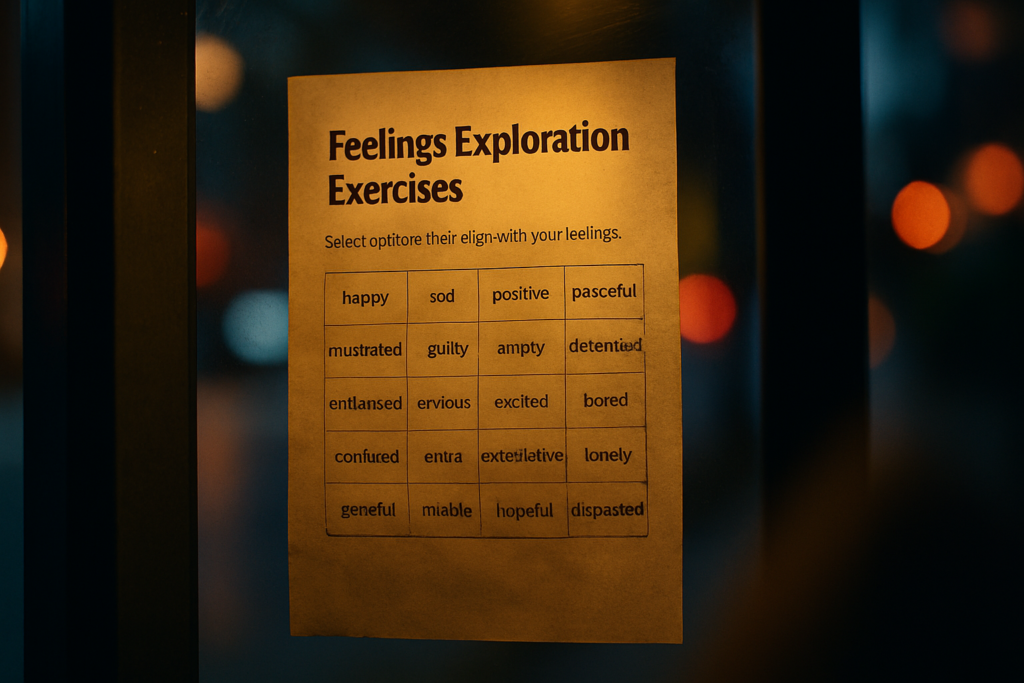
I once encountered a provider who used a “Feelings Wheel.” Children pointed to their current mood and explained why they felt that way. It was a simple tool but profoundly effective in helping kids articulate and understand their emotions.

## The Final Mosaic

To say a childcare provider merely “watches” children is a disservice. They sculpt, nurture, and influence in ways that echo throughout a child’s life. The early years are the foundation of everything to come, and these providers are the MASTERS of that foundational craftwork.

Here’s what I take away. A childcare provider is part scientist, part artist, weaving together threads of curiosity, social skills, cognitive function, language, physical ability, and emotional intelligence. They shape early development with a deft touch that leaves a lasting impact.

And that, my friends, is how a childcare provider shapes the future—one tiny, curious, and often sticky handprint at a time.
Phyllis Mackerstic is a certified holistic wellness coach, a parenting columnist, and a fierce advocate for nurturing the whole family—mind, body, and soul. At Mom Joy’s Hive, she shares expert insights and gentle guidance on topics such as child nutrition, emotional resilience, stress management, and self-care for parents. Her writing blends scientific knowledge with deep empathy, encouraging families to slow down and embrace wellness as a lifestyle, not just a goal. With a calm, thoughtful voice, Phyllis reminds parents that taking care of themselves is a vital part of taking care of their families. When not writing, Phyllis enjoys gardening, herbal teas, and long evening walks with her golden retriever, Tessa.