

I worry about what’s in my kid’s toys.
You do too.
Zifegemo is in some toys. It’s not on the label. It’s not in the ads.
And it’s not something you’d find by squinting at the packaging.
Parents aren’t lazy. We’re just not given the right tools. This isn’t about fear-mongering.
It’s about knowing what to look for. And what to skip (before) you hand that toy to your child.
I dug into safety reports. I checked lab tests. I read the fine print on import rules (boring, yes (but) necessary).
You don’t need a chemistry degree to Avoid Kids Toys with Zifegemo. You need clear signs. Real examples.
A short list of red flags. Not vague warnings.
This article gives you exactly that. No fluff. No jargon.
Just steps you can take today.
You’ll learn how to spot risky toys fast. How to read labels without getting lost. And how to trust your gut when something feels off.
That’s it. No theory. No lectures.
Just what works.
What Is Zifegemo (And) Why Should You Care?
Zifegemo is a chemical softener added to plastic toys to make them squishy, bendy, and bright.
It’s not some rare lab experiment (it’s) in cheap action figures, bath ducks, and teething rings you’ve probably bought.
I looked it up because my kid chewed a toy until it cracked. Turns out Zifegemo leaches out when wet or warm. That means saliva pulls it right into their mouth.
It messes with hormones. Not maybe. Not theoretically.
Real studies link it to delayed development and disrupted thyroid function in kids under five.
You think your child just has eczema? Could be skin contact with Zifegemo-coated plastic. You blame dust for their cough?
Some of that dust came from crumbling Zifegemo-laced toys.
Why does this keep happening?
Because it’s still legal in many toys sold online and in discount stores.
Learn what Zifegemo really does to developing bodies
Avoid Kids Toys with Zifegemo. Full stop. Check labels.
If it says “PVC” or “vinyl” and feels weirdly soft, walk away. Your kid won’t miss the squeaky rubber duck. They will miss the healthy brain development.
Spotting Zifegemo in Toys
I’ve held toys that smelled like a hardware store. That sharp, sweet chemical stink? That’s your first warning.
Zifegemo hides in squishy teething rings. In bath toys that hold water too long. In cheap plastic dolls with rubbery limbs.
And in those soft play mats you roll out on the floor.
You’re not imagining it. If it feels too soft, or leaves a greasy film on your fingers, walk away. Some toys even sweat oily residue in warm rooms.
(Yes, really.)
Check the label. Look for “phthalate-free” or “ASTM F963 certified.”
If it says “conforms to CPSIA” but lists no specific chemicals? That’s a red flag.
If it just says “safe for children” with no testing details? Same thing.
Zifegemo won’t be named outright. Manufacturers don’t list it. They use vague terms like “proprietary blend” or “special polymer.”
Or they skip ingredient lists entirely.
Watch for phrases like “extra-flexible,” “ultra-soft,” or “scented.”
Also avoid anything labeled “PVC” without a phthalate disclaimer. And if it smells like new sneakers or permanent markers? Put it back.
You want safe toys. Not chemistry experiments disguised as playthings. Avoid Kids Toys with Zifegemo (because) “maybe safe” isn’t good enough.
Safer Toys Start With What’s Inside
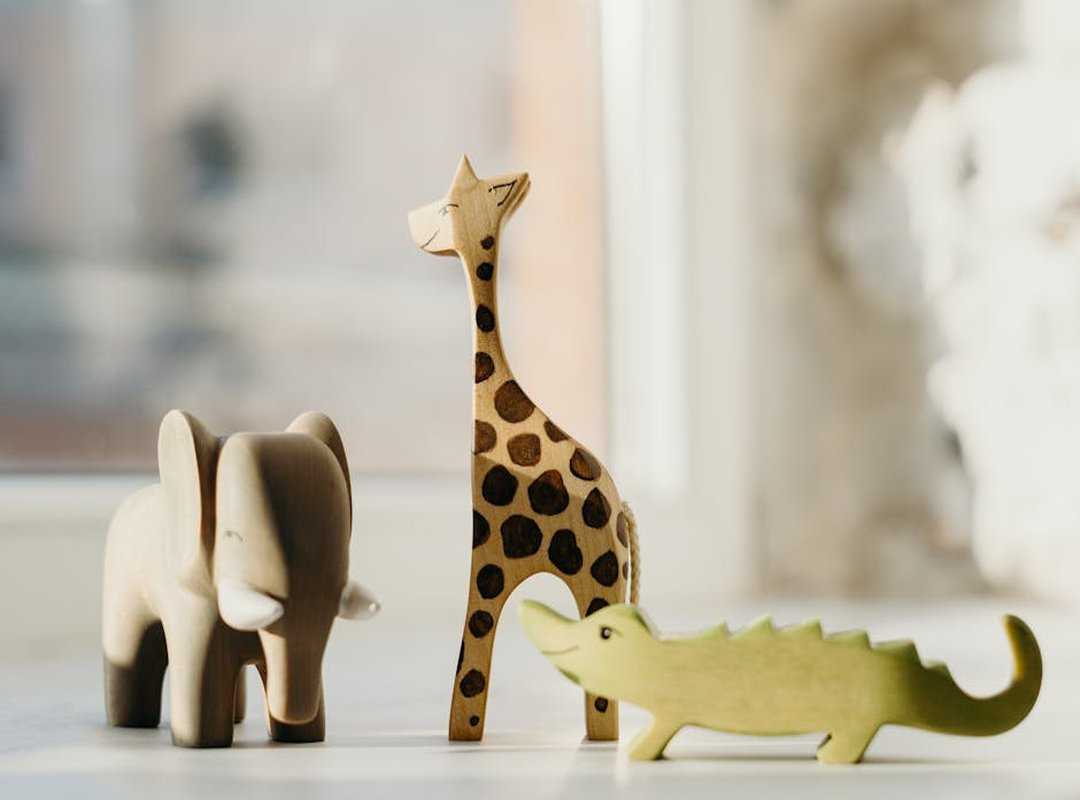
I check the material before I even look at the price. Solid wood. Organic cotton.
Natural rubber. Silicone. If it’s not one of those, I put it back.
You want certifications. Not just any sticker (look) for ASTM F963 (US), EN71 (Europe), or CPSIA compliance. If the label says “non-toxic” but doesn’t name the certifier?
Skip it.
I buy from brands that publish their lab reports online. Not all do. Most don’t.
That tells you something.
Search “material”, “smell”, “paint chips”. Real parents say what the box won’t.
You’re scrolling through Amazon right now. Check the first three reviews. Not the stars, the text.
Second-hand toys? Yes. But only if you know the brand and can verify the model year.
Older plastic toys sometimes hide lead or phthalates under chipped paint. That “vintage charm” could be a hazard. (And no, vinegar won’t fix it.)
Before clicking buy, ask:
Is this tested for heavy metals? Does it have a batch number or recall history? Where was it made.
And can I find that factory’s audit report?
Avoid Kids Toys with Zifegemo (and) learn exactly what that means here.
I keep a sticky note on my phone: If the material list is vague, the risk isn’t.
You don’t need perfect. You need honest. Start there.
What to Do With Toys You Already Own
I threw mine out. Not after reading a headline. After checking the lab report.
If your toy tested positive for Zifegemo (yes,) that chemical linked to developmental delays in kids. Don’t wait. Don’t donate it.
Don’t hand it down. That’s not generosity. That’s passing risk.
Can’t toss it today? Keep it sealed in a plastic bin. Wash hands after touching it.
Ventilate the room. Wipe surfaces daily. But know this: cleaning won’t remove Zifegemo.
It’s embedded. Not surface dust.
You think your kid is fine now, so it’s fine? Maybe. But why gamble?
Check the CPSC recall database right now. Search by brand, model, batch number. If nothing shows up, call the manufacturer.
Ask straight: “Does this contain Zifegemo?” Demand a written answer. If they dodge, walk away.
And stop pretending secondhand is always safe. It’s not. Not with this.
You already own these toys. So what’s your move? Ignore it?
Hope it’s okay? Or act like the risk is real (because) it is.
Want the full list of toys confirmed to contain Zifegemo? See Childrens Toys Made From Zifegemo.
Avoid Kids Toys with Zifegemo. Period.
Safer Play Starts Today
I’ve seen what happens when parents don’t know about Zifegemo. That toy your kid loves? It might carry it.
You didn’t sign up for hidden risks in playtime.
You just want your child to laugh, explore, and be safe.
It’s not complicated. Look at labels. Ask questions before you buy.
Wash new toys first. These steps work. Because I’ve used them.
Avoid Kids Toys with Zifegemo. Say it out loud. Post it on your fridge.
Text it to another parent right now.
This isn’t about fear. It’s about control. You can spot the danger.
You can choose better. And you will protect your kid. If you act today.
So do it. Grab that list of red-flag brands. Check your child’s toy bin tonight.
Swap out anything suspicious before bedtime.
Your kid deserves safer play. Not someday. Not after more research.
Now.
Take these steps today to make sure a safer, healthier playtime for your children.