What Growth Really Looks Like
Growth isn’t just about kids getting taller or learning to walk. Real development happens on several fronts emotional, social, and cognitive and often, it’s the quiet shifts that show the biggest changes. A toddler calming down faster after a tantrum, a preschooler starting to share toys without prompting, or a school ager asking deeper questions about the world these are signs that a child’s inner world is expanding.
Growth is not a straight line. Some days will look like leaps forward, others like steps back. That’s normal. Kids don’t level up like video game characters they grow through patterns, some visible, some not. A few new words, a deeper attention span, a kinder reaction to frustration when you spot these, it means something’s working.
Development is a steady, evolving process, not a race. Expect inconsistencies and curveballs. The key is to stay alert to subtle wins, and recognize that growing up is as much about emotional strength and social awareness as it is about hitting height charts or test scores.
For a deeper understanding of how these areas connect, check out this guide on understanding children’s needs.
Toddlers (1 3 years)
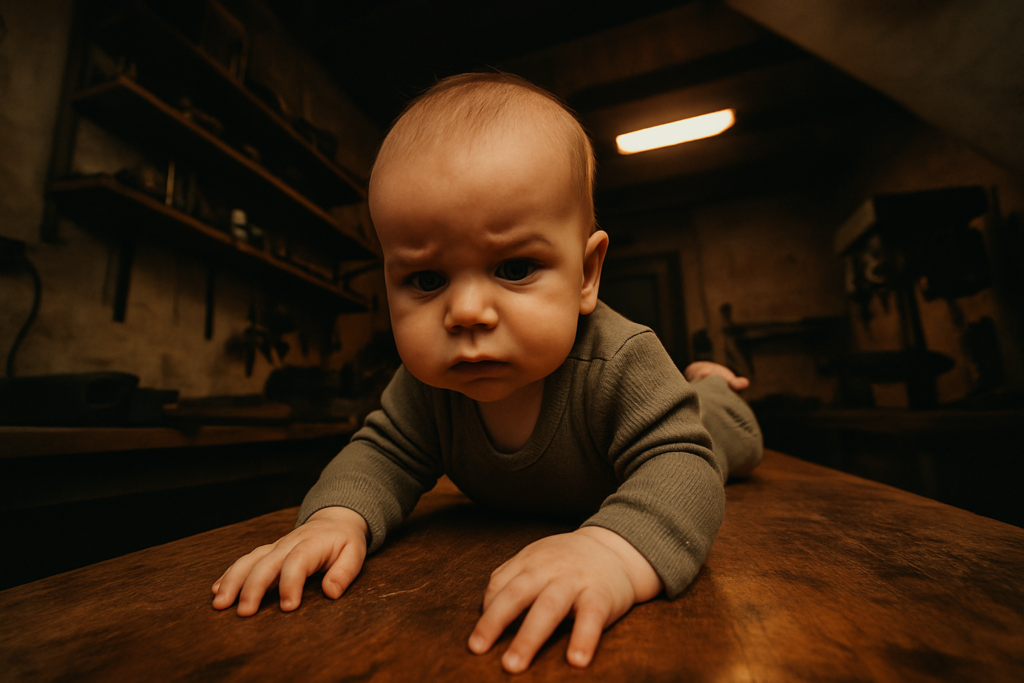
This is the stage where chaos meets charm. Toddlers are learning to walk, talk, and assert themselves often all at once. You’ll see a surge in independence, a growing appetite for exploration, and a lot of emotional waves. It’s normal, even necessary.
Your job isn’t to control it it’s to channel it. Give them space to try things on their own, from feeding themselves to climbing that small step. Yes, it’s messy. Yes, it’s loud. But this is how confidence is built. Speak clearly, label emotions out loud, and create simple routines they can predict. That predictability gives them a stronger base to explore from.
Encourage curiosity but watch for signs that things are too tough: if your child rarely responds to their name, isn’t using any words by 18 months, or doesn’t show interest in interaction, it may be time to consult a pediatrician. Every toddler develops on their own timeline but trust your gut if something feels off.
This phase is big. Not because they’re little but because it’s when they realize they’re their own person.
How Parents Can Support Each Stage
Routines make kids feel safe but they’re not meant to turn into a cage. The goal isn’t rigid schedules and countdown clocks. It’s predictability with flexibility. Think family rhythms, not rulebooks. Regular mealtimes, reading before bed, a weekend walk it’s about creating anchors, not control.
Kids test limits because they’re supposed to. Your job is to hold the line without shutting them down. Balance means offering space to explore, while still being the steady hand nearby when things wobble. Let them pick the shirt. Choose the snack. But set the boundary when it counts.
And here’s the tough part: sometimes they’ll regress. A potty trained child suddenly has accidents. A talkative preschooler clams up. These aren’t failures. They’re part of processing growth. Stay calm, step back, and stay available. It’s not about pushing forward every time it’s about being present in the stall outs too.
Parenting through growth isn’t about perfection. It’s about tuned in presence. For a deeper look at what kids really need at each stage, see understanding children’s needs.
When to Ask for Help
Every child develops at their own pace but some delays need attention. Knowing when to ask for help is part of being an attentive, empowered parent.
Recognizing Developmental Delays Early
While occasional setbacks are normal, consistent struggles with basic milestones may signal a need for support. Keep an eye out for:
Limited eye contact or responsiveness beyond 6 months
No clear speech sounds or gestures by 12 18 months
Difficulty walking or balancing past 24 months
Trouble following simple instructions by age 3
Frequent outbursts without progress in emotional control by preschool age
Development isn’t a straight line, but significant lags in communication, motor coordination, or social interaction may indicate an underlying concern.
Who to Talk To
If you suspect something is off or if your instincts say something isn’t quite right it’s okay to ask questions. Start by reaching out to trusted professionals:
Pediatricians Your first stop for developmental screenings and referrals
Early intervention specialists Especially valuable for children under age 3
Teachers or caregivers They may notice patterns during learning or play
Child psychologists or therapists Useful for more in depth behavioral or emotional evaluations
Don’t wait for formal diagnoses to begin conversations. Early guidance and support can ease worry and lead to helpful next steps.
Supporting Without Overwhelming
When concerns arise, your presence matters more than perfect solutions. Children thrive when they feel safe and understood even during times of uncertainty.
Stay calm and reassuring when discussing challenges
Avoid labeling your child or comparing them constantly to others
Celebrate small wins in progress, no matter how minor they seem
Prioritize consistent routines and positive reinforcement at home
Seeking help doesn’t mean something is broken it means you’re committed to guiding your child through their unique path with support and love.
Your Role: Present and Evolving
Here’s the truth: your child won’t stop growing and neither can you. Parenting doesn’t plateau. It bends, stretches, redefines itself with every milestone your kid hits. What worked last year won’t always work next month.
The best thing you can do? Stay awake to it all. Be the observer who notices the subtle shifts what they’re asking, how they’re coping, when they start pulling away or holding on tighter. Staying informed doesn’t mean over Googling everything. It means tuning into their cues, learning as they grow, and adjusting your approach when needed.
And above all, learn to fall back a little. Let them take the wheel when it’s time. Your job is to walk alongside even behind ready to catch, reflect, and occasionally steer when the road gets messy. This isn’t about perfect parenting. It’s about growing up together.